
Essential Camping Tips for First-Time Travelers
Learn what to pack, how to set up camp, and how to enjoy a safe outdoor experience with friends and family. Discover tips to make your first camping trip comfortable, safe, and unforgettable.

1. Pack Smart and Light
Packing efficiently is the foundation of a successful camping trip. Start by making a checklist of essentials, including a tent, sleeping bag, portable stove, and layered clothing. Choose lightweight, multi-purpose items to reduce the load in your backpack, as carrying heavy gear can quickly become exhausting on hikes.
Remember to pack items for changing weather. Even in summer, nights can be cold. Include rain jackets, hats, gloves, and thermal layers. A small first aid kit and flashlight are critical for safety. Keeping items organized in separate bags or compartments can save time and stress at the campsite.
For food and water, bring portable containers and plan meals in advance. Opt for non-perishable foods and snacks high in protein and energy. Proper hydration is crucial, so always carry a refillable water bottle or water filter for streams.
2. Choose the Right Campsite
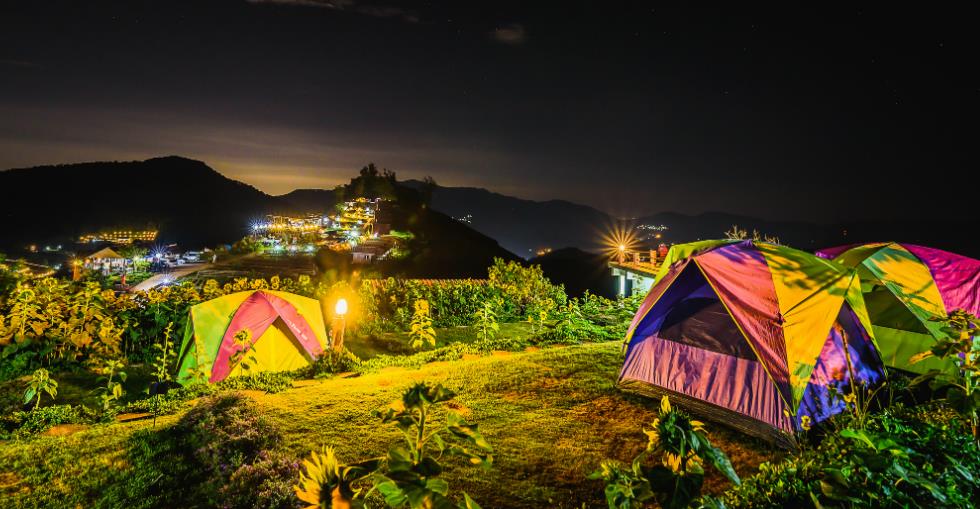
Selecting an appropriate campsite is crucial for a safe and enjoyable experience. Look for flat, dry areas, away from potential hazards like rivers, cliffs, or falling rocks. Avoid camping under large trees with dead branches that could fall. A well-chosen site ensures your tent is stable, comfortable, and safe from environmental risks.
Consider proximity to water sources for cooking and cleaning, but stay far enough to avoid flooding risks. Check local regulations on campfires and permitted camping zones. Accessibility to trails, emergency exits, and distance from other campers are additional factors to keep in mind, especially for first-time adventurers.
Once you select your campsite, take time to set up the tent properly. Ensure the groundsheet covers the tent floor fully, stake it securely, and organize gear to avoid clutter. A neat, orderly setup can make a big difference during wind or rain.

3. Build a Safe Campfire
Campfires provide warmth, light, and a place to cook meals, but they also pose serious risks. Keep your fire small, controlled, and always inside a designated fire pit if available. Clear the area around your fire of dry leaves, grass, or other flammable material. Safety should never be compromised for convenience or aesthetics.
Always have water, sand, or a fire extinguisher nearby to quickly put out flames in emergencies. Never leave a fire unattended, especially overnight. Before leaving the campsite, ensure the fire is completely extinguished by dousing it with water and stirring the ashes until cool. Following these precautions helps protect the environment and prevents wildfires.
Use the campfire responsibly. Avoid burning trash or harmful materials, and teach all members of your group proper fire etiquette. A campfire can be a magical experience when managed safely and respectfully.
:max_bytes(150000):strip_icc()/VWFit-Meal-Plan-Journey-1-Week-Healthy-and-Balance-Meal-Plan-6ee43578918947a4b687922d614f2be3.jpg)
4. Plan Meals and Snacks
Good food enhances the camping experience, while poor planning can cause frustration. Prepare simple meals that require minimal cooking, such as pasta, rice dishes, canned soups, or pre-marinated proteins. Include high-energy snacks like nuts, dried fruits, and granola bars to keep your energy levels stable during hikes or outdoor activities.
Cooking outdoors requires patience and organization. Keep a portable stove or grill, utensils, and fuel handy. Separate food items to avoid cross-contamination and store perishables in coolers. Make sure everyone in your group knows the meal plan, so preparation and cleanup are shared responsibilities.
Food planning also includes water and beverages. Always have sufficient drinking water and consider purification tablets or filters when camping near natural water sources. Staying hydrated is essential, especially during physical activities or in hot weather conditions.

5. Enjoy and Respect Nature
Camping is an opportunity to connect with nature and disconnect from daily life. Always follow the “Leave No Trace” principles: clean up all trash, avoid damaging plants or wildlife, and respect natural habitats. This ensures the outdoors remains pristine for future adventurers.
Explore nearby trails responsibly, enjoy bird watching, stargazing, and other low-impact activities. Teach children or fellow campers about respecting wildlife and keeping noise levels minimal. Observing and appreciating nature without harming it is a core part of the camping experience.
Take moments to relax and enjoy the serenity of your surroundings. Whether sitting by a lake, walking through a forest, or sharing stories around a campfire, first-time campers benefit from slowing down and immersing themselves fully. The memories created in nature are long-lasting and often transformative.