
Capturing the Perfect Travel Shot
Master your photography skills and make every travel moment unforgettable with these easy pro tips.
Travel photography is more than just clicking pictures; it’s the art of capturing emotions, landscapes, people, and stories through your lens. Whether you’re exploring mountain trails, wandering through ancient cobblestone streets, or relaxing on a tropical beach, knowing how to take the perfect shot can turn simple moments into lifelong memories. As a traveler, your camera becomes your storytelling tool—your way to freeze the adventure so you can relive it again and again.
In 2025, travel photography continues to evolve with better mobile cameras, lightweight gear, and powerful editing apps. Whether you’re a beginner or an enthusiast, mastering a few essential techniques can significantly improve the quality of your photos. The goal is not to chase perfection but to document your journey in the most authentic and visually appealing way. With practice and creativity, you can turn ordinary travel snaps into professional-looking images that tell your story beautifully.

1. Chase the Golden Hour
Light is the soul of photography, and nothing beats the magical glow of golden hour. This short time frame just after sunrise and before sunset creates warm tones, soft shadows, and a dreamy atmosphere—ideal for landscapes, portraits, and even urban shots. Professional photographers always schedule their outdoor sessions around these hours because the natural lighting enhances colors, adds depth, and reduces harsh contrasts.
Whether you’re trekking through mountain ridges or strolling along a beach, plan your activities to coincide with these time windows. You’ll notice how the scenery transforms dramatically, making your photographs visually richer and more cinematic. Even a simple silhouette captured during golden hour can deliver a powerful storytelling element.

2. Travel Light but Smart
Carrying heavy photography gear may seem professional, but it often limits your movement and creativity. Modern travel photography encourages minimalism—packing only what you truly need. A mirrorless camera, one versatile lens, a compact tripod, and a backup battery are usually enough for most destinations. Even smartphones today are powerful enough to capture stunning landscapes and portraits with high clarity.
The key is to choose gear based on your destination. For example, rugged environments like mountain treks may require weather-sealed cameras, while city travel is ideal for lightweight setups. Keep your accessories organized in small pouches so you can quickly access them when inspiration strikes.
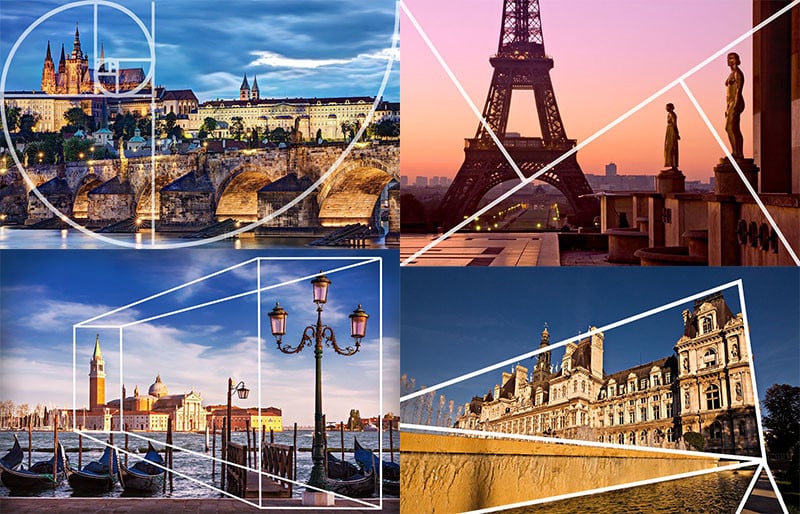
3. Master Your Composition
Great photography isn’t just about what you capture but how you frame it. Composition guides your viewer’s eye and helps you tell a more powerful story. One of the most effective techniques is the rule of thirds, where the frame is divided into nine equal sections. Placing your subject along these lines or intersections creates balanced and visually appealing images.
You can also use natural elements to create framing—arches, trees, windows, or rocks. Leading lines such as trails, rivers, and pathways direct attention toward your subject and add depth to the scene. Experiment with angles and perspectives by shooting from low ground or elevated points for more dynamic shots.

4. Capture Local Life & Culture
Travel photography is incomplete without documenting the culture of the destination. From local markets and street vendors to traditional festivals and everyday routines, authentic moments create the most impactful photos. People tell stories, and capturing candid shots of locals can bring a powerful human element to your photography collection.
Always be respectful and, when needed, ask permission before taking someone’s picture. A genuine interaction often leads to a more meaningful portrait. These cultural snapshots help you remember the emotional essence of your journey long after the trip is over.

5. Edit to Enhance, Not Replace
Editing is a crucial step in travel photography, but the goal is to refine—not alter—the essence of your shot. Apps like Lightroom, Snapseed, and VSCO offer powerful tools to enhance colors, adjust lighting, and correct minor imperfections. Avoid over-editing with excessive saturation or unrealistic filters, as they can remove authenticity from your photos.
A good edit enhances the story your photo already tells. Aim for natural tones, clean highlights, and balanced shadows to create images that feel true to the moment. Editing is an art in itself, but with practice, your personal style will begin to shine.